Bun Cranncha · Co. Donegal
Lough Swilly port town where rebels were caught and a family drowned. Grace comes later.
Buncrana is the largest town on the Inishowen Peninsula and the closest thing the peninsula has to a working hub. Seven and a half thousand people live here. The harbor works - boats come in, tourists fan out to Malin Head and Dunree Fort. Main Street is functional, not decorative. There are supermarkets and post offices and pubs where people actually sit.
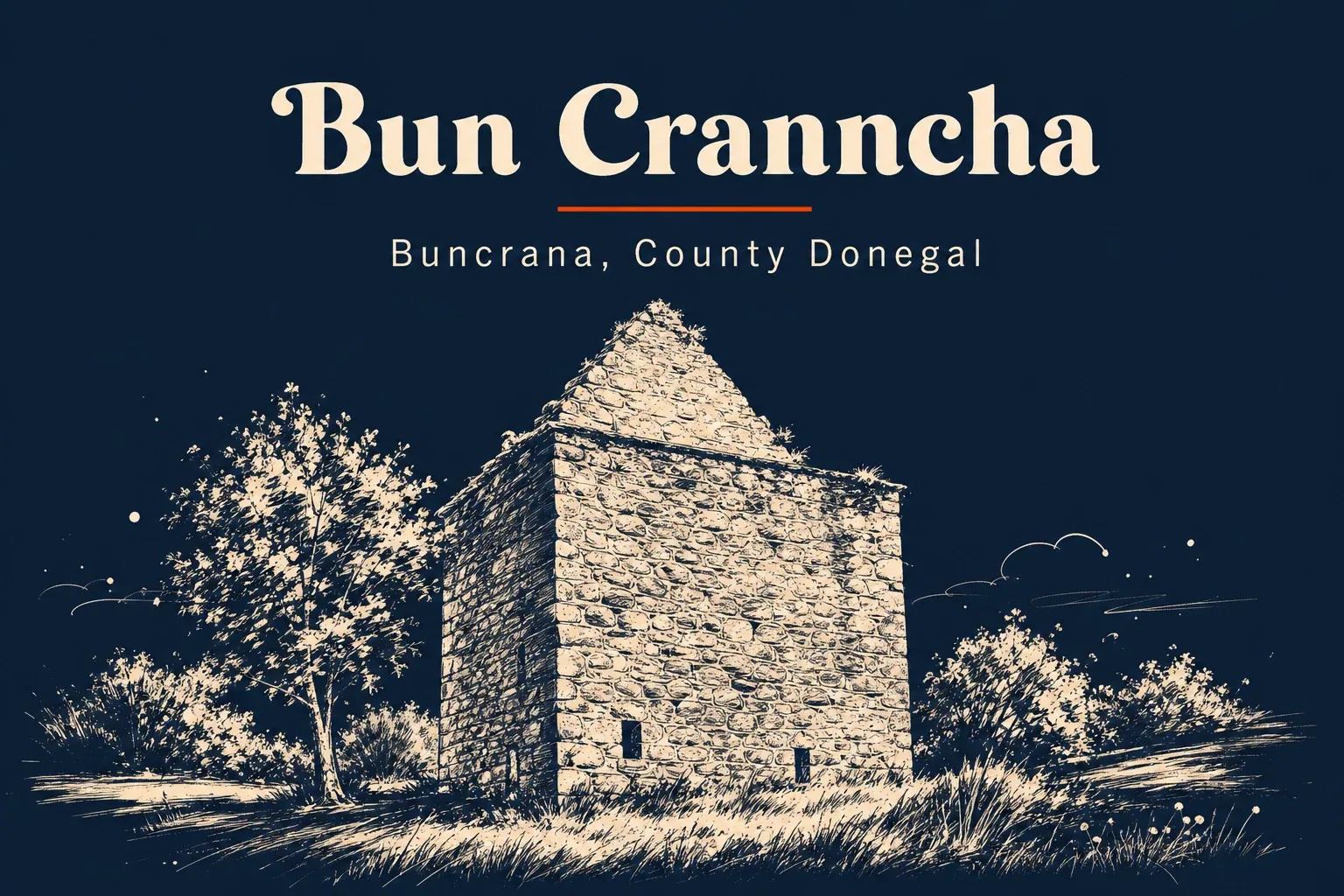
What matters: the town holds two contradictory histories at once. O'Doherty's Keep still stands, rebuilt and open. Wolfe Tone was held in Buncrana Castle before transport to Dublin and his execution. These are stories of resistance and capture. And then, in 2016, at the pier on an ordinary evening, a car carrying a family rolled into the lough. One man survived. His father, two brothers, and his daughter did not. Sean McGrotty, drowning, passed his baby to a rescuer - a moment of grace that broke Ireland's heart. The pier still works. The water is still there.
Stay at the Harbour Inn if you want views and service. Walk Swan Park early. Eat at Tank and Skinny's if it's open. Go to The Drift Inn on Saturday for music. Lisfannon Beach, five minutes south, is the real draw - Blue Flag sand, clean water, and the whole Lough visible from the shore.
Buncrana is not a tourist invention. It is what happens when a peninsula needs a town.