← All Dublin tours via partner · From €24 · 5 hours 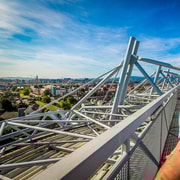
Dublin: Croke Park Kellogg's Skyline Tour and GAA Museum
Free cancellation 25 traveller reviews Booked securely via partner
Check availability & prices →
From €24 per person
Croke Park has been at the heart of Irish sporting and cultural life for over 100 years. It’s one of the largest stadiums in Europe and the headquarters of the Gaelic Athletic Association - the organisation that manages and promotes Gaelic Football, Hurling, Rounders, and Handball across the country. If you want to understand what sport means to people in Ireland, this is a good place to start.
The tour gives you all-areas access. You’ll see the team dressing rooms, walk pitchside, and take a seat in the VIP area. Then you head up to the Skyline - the highest open-viewing platform in Dublin, 30 metres above the famous pitch - for panoramic views across the city. Your local guide is with you throughout, and the history here goes well beyond sport: Croke Park played a significant role in Ireland’s political history too, and your guide doesn’t skip that part.
Admission includes entry to the GAA Museum, where exhibits cover the social and political impact the GAA has had on shaping modern Ireland alongside a look at how the games look today. The interactive zone is worth stopping for - you can test your hurling and football skills, check your reaction speed, work on your passing, and try the high catch and fingertip save. It’s one of those activities that looks easier than it is, and that’s half the fun.
You don’t need to follow Gaelic games to enjoy this. The tour works just as well if you’ve never watched a match in your life. The scale of the stadium, the history of the place, and the views from the Skyline are compelling on their own terms, and your guide is good at reading what people want to know more about.
The Skyline is genuinely impressive. Thirty metres above the pitch, open to the air, with Dublin spreading out in every direction - it’s a different perspective on the city than you get anywhere else. Check the weather forecast before you go, but even on a grey day the views are worth it. On a clear day it’s exceptional.
Go early if you want the interactive zone to yourself. The hurling and football skills stations get busier as the day goes on, especially at weekends and during school holidays. Getting there when it opens means you’ll have more room to embarrass yourself with the sliotar without an audience.
The GAA Museum is better than it sounds. That’s not a backhanded compliment - it’s just that museum exhibits about sports organisations can be dry, and this one isn’t. The way it connects the games to Irish social and political history gives you a much richer picture of what the GAA actually is and why it matters the way it does.
If you’re here around All-Ireland Final time, ask your guide about the atmosphere. The stadium holds over 82,000 people for the big matches, and the way locals talk about it tells you everything about what these games mean in Ireland. Even on a quiet weekday, standing pitchside, you can feel the weight of that.