← All Dublin tours via partner · From €47 · 5 hours 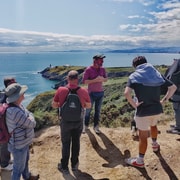
Dublin: Dublin Coastal Hike and Pints & Puppies
Free cancellation Booked securely via partner
Check availability & prices →
From €47 per person
Howth is a fishing village turned Dublin suburb sitting on a rocky headland at the northern edge of Dublin Bay. The cliff walk that circles it is one of the best coastal hikes within easy reach of any European capital - and doing it with a local guide who actually knows the place, the history, and the best spot for a pint at the end makes it something worth doing properly.
Your guide brings their dog along, which sets the tone right from the start. This is relaxed and easy-going, more like walking with a mate who happens to know everything about the area than a formal tour. The route follows the headland trails where the Irish Sea pushes in against the rocks below and the views stretch back across Dublin Bay to the Wicklow Mountains. Along the way you’ll pass a 700-year-old castle, the ruins of St Mary’s Abbey (founded in 1042), and quieter corners of the peninsula that most visitors walk straight past. The stories of Viking raids and Norman invasions that the guide weaves in give real weight to what you’re looking at.
The hike finishes at a proper local pub where a complimentary pint is waiting. After five hours of sea air and cliff paths, you’ll have earned it.
Take the DART to Howth rather than driving. The train from Connolly or Pearse Station runs directly to Howth village in around 25 minutes, and you won’t need to think about parking or navigating the narrow harbour roads. It also means you can enjoy that complimentary pint at the end without a car to worry about.
The cliff walk has a few different route options ranging from a lower coastal path to the higher exposed trails with bigger views. Your guide will know which sections to take depending on the weather and your group’s fitness, so mention early on if you’d prefer something more or less challenging.
Howth harbour is worth arriving early for if you can time it right. The fish stalls along the pier open in the morning and the selection is as fresh as it gets - Dublin Bay prawns, crab claws, and smoked salmon that go straight from the boats to the counter. It’s a lovely twenty minutes before the tour begins.
St Mary’s Abbey is one of those places that catches people off guard. Founded in 1042, the ruins sit quietly in their own grounds above the village, and most day-trippers don’t know it’s there. The guide’s context about its Benedictine origins and its later connections to the Normans makes it considerably more interesting than it would be to stumble across on your own.
If the weather is clear and you spot Lambay Island off the northern coast as you walk the headland, that’s a privately-owned island with its own farming history - your guide will usually have a story or two about it.