← All Dublin tours via partner · From €40 · 4 hours 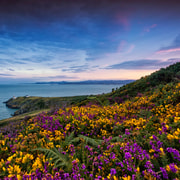
From Dublin: Half-Day Guided Coastal Tour to Howth Village
Free cancellation 2,200 traveller reviews Booked securely via partner
Check availability & prices →
From €40 per person
Howth is Dublin’s coastal escape - a rocky headland and fishing village about 30 minutes from the city centre that feels genuinely removed from urban life. This half-day tour with Big Bus Tours is a good call when you want a breath of sea air without giving up a full day. In four hours you get a guided cliff walk, sweeping views over Dublin Bay, good wildlife spotting chances, and two hours of free time in one of the most enjoyable villages on the coast.
The drive out is part of the experience. Your coach follows the coast road through Clontarf and past Bull Island, a UNESCO Biosphere Reserve sitting right in Dublin Bay, before reaching the Howth peninsula. Once there, the guided cliff walk takes you along the headland with views across the bay to Ireland’s Eye island and south towards the Wicklow Mountains. The cliffs are full of life - gannets diving into the sea, curlews calling from the heath, and in the right season, puffins offshore. Seals are regulars too, often stretched out on the rocks below the path.
After the walk, two hours of free time in Howth Village is yours to spend however you like. The harbour is the obvious draw - fishing boats line the pier, and the seafood restaurants along the front serve catch that came in the same morning. Fish and chips from the harbour stands are genuinely excellent. If you want to look beyond the food, the ruins of the medieval St Mary’s Abbey are a short walk from the harbour, and the 19th-century Martello Tower is worth the brief climb for the view.
Go for the fish and chips at the harbour, not just a sit-down restaurant. The stands along Howth’s East Pier serve some of the freshest fried fish in Dublin, and eating them on the pier wall watching the boats is a better experience than any table in the village. Beshoff Bros is a popular spot that locals rate. There are sit-down options too, but the pier stand is the Howth experience.
Ireland’s Eye is right there but you can’t reach it on this tour. That small island sitting off the headland is a nature reserve with a ruined medieval church and a nesting colony of seabirds. If you catch the ferry on a separate trip, it’s a 15-minute crossing and a lovely short walk when you get there. Worth keeping in mind for a return visit.
The cliff walk can be slippery after rain. The path is well-maintained but uneven in places, and the coastal grass stays wet long after the rain stops. Trainers are fine in dry conditions, but anything with a bit of grip is a better bet if the morning looks grey.
St Mary’s Abbey is easy to miss but worth finding. The medieval ruins sit just above the village and date back to the 14th century. You can walk through what remains of the nave and tower, and the views down to the harbour from there are better than most people realise. It takes maybe 20 minutes and you’ll likely have it mostly to yourself.
Bull Island on the way back into Dublin is a genuinely remarkable place. That thin strip of land in Dublin Bay was formed by silt deposits from the construction of the North Bull Wall in the 19th century - it’s only about 200 years old. It’s now a UNESCO Biosphere Reserve and home to rare wintering bird species. Something to look out for through the coach window on the return leg.