← All Dublin tours via partner · From €20 · 2 hours 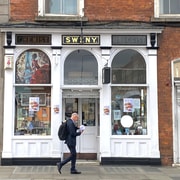
Dublin: Literary Walking Tour - Wilde, Yeats & Joyce
Free cancellation 5 traveller reviews Booked securely via partner
Check availability & prices →
From €20 per person
Dublin has produced more Nobel Prize-winning writers per capita than almost anywhere on earth, and this two-hour walking tour puts you in the company of the three who defined the city’s literary identity: Oscar Wilde, W.B. Yeats, and James Joyce. What lifts it above the ordinary is the guide. Dr Philip Taylor holds a PhD in history and has won an Irish Arts Council Literature Award, so what you’re getting isn’t a rehearsed set of anecdotes - it’s Dublin’s literary history explained by someone who’s spent years living inside it.
The tour starts in the historic city centre and moves through two of Dublin’s most beautiful green spaces. In St Stephen’s Green, you’ll stop at literary landmarks within the park and look across to Newman House, the former University College Dublin campus where James Joyce spent his student days. Your guide brings Joyce’s Dublin childhood and his complicated relationship with the city to life in a way that makes the walk ahead feel like a continuation of his story. At the National Library of Ireland, the focus shifts to W.B. Yeats, followed by a self-guided visit to the library’s permanent Yeats exhibition.
One stop that tends to stay with people is Sweny’s pharmacy on Lincoln Place - a small shop that features in Ulysses and now runs as a unique visitor attraction, staffed by volunteers who read aloud from Joyce’s works and sell the lemon soap that Leopold Bloom famously bought. It’s the kind of place that makes you feel the novel is still happening. The walk ends at the Oscar Wilde memorial sculpture in Merrion Square - a wonderfully flamboyant piece of public art that suits its subject well. Your guide closes by recounting Wilde’s career, his famous wit, and his tragic downfall. A fitting end to two kilometres through the streets that shaped some of the finest writing in English.
You don’t need to have read the books. Dr Taylor’s commentary is designed to work whether you’ve read Ulysses three times or never cracked a spine. The stories of the writers’ lives - Joyce’s self-imposed exile, Yeats’s obsession with Maud Gonne, Wilde’s imprisonment - are compelling on their own terms. The literature becomes a way into the history, not a prerequisite for it.
Buy the lemon soap at Sweny’s. It sounds like a tourist thing, but Sweny’s operates entirely on donations and voluntary labour, and the soap is the same brand that Leopold Bloom buys in the “Lotus Eaters” episode of Ulysses. It’s a connection to the novel you can bring home in your bag. The readings the volunteers do are worth listening to even if you’re in a rush.
The Merrion Square end of the walk is underrated. Most people know Merrion Square as the Georgian street of embassy buildings, but the park itself has a wonderful collection of public sculptures - Wilde’s memorial is the most famous, but Oscar’s not the only one worth finding. Allow ten minutes in the park after the tour ends.
Newman House is easy to visit independently. The former UCD buildings on the south side of St Stephen’s Green where Joyce studied are occasionally open to the public and have some genuinely beautiful Victorian interiors. Worth a look if you’re passing.
Small groups fill up. This tour deliberately keeps numbers small to allow for proper conversation, which means it can sell out on busy summer weekends. Booking a day or two ahead is sensible during June through August.