← All Dublin tours via partner · From €137 · 5 hours 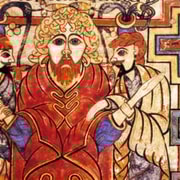
Dublin Medieval Castle-Book of Kells & St Patricks Cathedral
Free cancellation Booked securely via partner
Check availability & prices →
From €137 per person
Your tour starts at the Henry Grattan statue in College Green - the bronze parliamentarian who spent his career fighting for Irish legislative independence in the 18th century makes a fitting starting point for a day in Dublin’s historical core. From here, your guide explains how College Green evolved from a medieval fairground into the political centre of the country, before you walk through the front gates of Trinity College Dublin, founded in 1592.
Inside the Treasury Building, you’ll visit the Book of Kells, created around 800 AD by monks from the monasteries of Iona and Kells. You get to take in the extraordinary illuminated pages up close - the swirling Celtic designs, hidden animals, intricate gold symbolism - and hear how the manuscript survived Viking raids and centuries of political upheaval to end up behind glass in a Georgian library. Upstairs, the Long Room is something else entirely: a soaring barrel-vaulted ceiling, 250,000 antique volumes arranged along two levels of oak shelving, marble busts of great thinkers, and the oldest surviving Irish harp. The tour also takes you through the newly redesigned Book of Kells Experience, which uses immersive displays and digital reconstructions to bring the manuscript’s story to life. There’s time to browse the Trinity College gift shop before heading back out into the city.
From campus, you walk to the Molly Malone statue, where your guide shares the story behind the song and the long-running debate about whether Molly was a real person. The tour then moves on to Dublin Castle grounds, a former seat of British administration for over 700 years and a place that’s been at the centre of Irish political and cultural life right up to the present day.
Start the day knowing who Henry Grattan was. He’s not as well-known internationally as Wolfe Tone or Daniel O’Connell, but the statue at College Green is a good anchor for understanding the 18th-century chapter of Irish political history. Your guide will cover it, but a quick read beforehand makes it stick better.
The Long Room at Trinity is often the thing people remember most. The Book of Kells gets more advance billing, but the Long Room - with its barrel ceiling and floor-to-ceiling shelves of antique books - tends to stop people in their tracks. Take your time in there rather than rushing through.
Dublin Castle is not what most people picture when they hear “castle.” It’s largely an 18th-century palace complex rather than a medieval fortress, though the Record Tower dates to the 13th century. The Chester Beatty Library in the castle grounds is free to enter and contains one of the great private art collections in the world - worth knowing if you want to extend your time there.
Five hours covers a lot of ground, which is both the appeal and the thing to plan for. Wear comfortable shoes and have some water with you. The route is mostly flat but the day is long.
St Patrick’s Cathedral is the largest church in Ireland. It’s been standing on this site since 1191, and the connection to Jonathan Swift - who was Dean here from 1713 to 1745 and is buried inside - gives it a literary dimension beyond the purely architectural.