← All Dublin tours via partner · From €4 · 3 hours 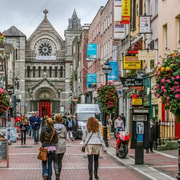
Private Dublin Whiskey Trail: Historic Pubs & Flavors
Free cancellation Booked securely via partner
Check availability & prices →
From €4 per person
This is a private whiskey trail through Dublin’s south side, built around the kind of pubs that locals actually drink in - not the ones visitors tend to stumble into. Your own guide takes your group along Grafton Street, into the antique and art quarter around Francis Street, and through local markets, stopping at carefully chosen pubs where the whiskey is taken seriously and the rooms reward sitting down and staying a while.
The tastings are what give the experience its spine. At each pub, your guide selects whiskeys that show the range of what Ireland produces - from smooth blends to complex pot stills - and each one comes with a story. The pubs themselves are part of it: traditional interiors, original fittings, the kind of snugs where conversations have been happening for generations. Your guide knows the bartenders, knows the history of each premises, and weaves it into a running narrative that makes the whiskey taste better for understanding where you’re drinking it.
Because this is a private tour, the programme bends to suit your group. Want to linger somewhere because the atmosphere is right? You linger. Someone spots an interesting gallery or market stall between stops? You explore it. Three hours gives enough room for proper tastings without feeling rushed. This is Dublin’s whiskey culture at your own pace, with someone who knows the city well enough to improvise.
Francis Street is the part most visitors miss. The street and the streets around it in the Liberties district are Dublin’s antique quarter, lined with proper dealers who’ve been there for decades. Between pub stops, you’ll pass furniture, silverware, and old prints in windows that don’t get a second look from most tourists. Your guide will know which shops are worth a peek inside.
Irish pot still whiskey is the thing to try. It’s made in Ireland and virtually nowhere else - a style that uses a mix of malted and unmalted barley and produces something with a spicy, oily richness that blended whiskey doesn’t have. If your guide offers you a pot still expression at any point, say yes. Powers John’s Lane or Redbreast are good examples if they come up.
The traditional pub snug has a history. Those small partitioned-off sections you’ll see in older Dublin pubs - the snugs - existed partly so that women could drink without being seen in the main bar, and partly so that priests and guards could drink without being seen at all. Your guide will know the specific stories attached to the pubs you visit.
Three hours is enough, but pace yourself. The tastings are generous, and three hours walking and tasting adds up. Eating something beforehand is sensible. If you’ve had lunch and a bottle of water before you start, the afternoon will be much more enjoyable.
The south side of Dublin has layers. The Liberties is one of the oldest parts of the city - the Huguenot weavers, the Guinness brewery, the cathedrals. Grafton Street is Georgian prosperity. Francis Street is craft heritage. Your guide stitches these different eras together in a way that makes the geography make sense.