← All Ireland tours via partner · From €21 · 1 day 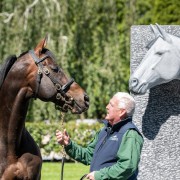
Kildare: Irish National Stud & Gardens
Free cancellation 95 traveller reviews Booked securely via partner
Check availability & prices →
From €21 per person
About 40 minutes outside Dublin, the Irish National Stud in Kildare is one of the only thoroughbred breeding farms in the world that you can actually walk around. This ticket gets you into the whole thing: the stud farm itself, two remarkable gardens, and an interactive experience that takes you through the full life of a racehorse from birth to retirement.
The farm tour lets you see the stallions and watch mares with their foals. It also takes you to the “Living Legends” paddock, where retired racing stars spend their days. If you follow Irish racing, you’ll know some of these horses: Hurricane Fly, Beef Or Salmon (known as Beef to his connections), and Faugheen. The free guided tour runs at set times - check the Irish National Stud website for current times before you visit.
The two gardens are worth making the trip for on their own. The Japanese Gardens trace the “Life of Man” - a path from birth through life, death, and beyond, laid out across a series of beautifully tended spaces created in the early 20th century. St Fiachra’s Garden takes a very different approach, celebrating the Irish landscape through native plant species and a natural, rugged design that feels genuinely rooted in the land rather than imposed on it.
The Irish Racehorse Experience is the interactive centrepiece. You follow a thoroughbred from birth through training, the auction ring, and race day itself. You receive a “horse box” with your own racehorse to follow, place bids in an interactive yearling auction, and ride a simulator to see how your investment performs on the track. The Living Legend room, with floor-to-ceiling windows overlooking the retired horses in the paddock, brings the whole story full circle.
Kildare is Ireland’s horse county in a way that goes beyond marketing. The flat plains of the Curragh - just a few minutes from the National Stud - have been used for training and racing thoroughbreds since at least the 16th century. Driving through the area on the way in, you’ll see horses in fields on both sides of the road. It sets the scene.
The Japanese Gardens were designed between 1906 and 1910 by Japanese garden designer Tassa Eida and his son Minoru, working with the then-owner Colonel William Hall-Walker. The symbolic journey of human life mapped out across the garden is quite specific - your guide or the site map can walk you through the sequence so you’re not just admiring plants but following the narrative.
St Fiachra’s Garden is the quieter of the two gardens and tends to get less attention than the Japanese Gardens, but it’s genuinely beautiful. It was designed by Professor Martin Hallinan and opened in 1999 to mark the millennium. Give it the time it deserves rather than rushing through to get back to the horses.
Check the farm tour times before you arrive. The guided walk around the farm is included in your ticket but runs at set times, and missing it means missing the chance to get close to the stallions and the foaling mares. The Irish National Stud website has the current schedule.
The Curragh racecourse is a few minutes away if you want to extend the day. It’s one of the oldest and most important flat racing venues in Ireland, and depending on when you visit there may be a race day on. Worth checking before you go.