RNLI Clogherhead since 1899
The lifeboat at the slip
Two lifeboats covered the Boyne estuary from Drogheda from the 1860s. By 1899 the volume of work had thinned and one of the stations was closed; the operation moved up the coast to Clogherhead and the first lifeboat — the Charles Whitton, cost £582 — was placed on the slip at Port Oriel. The shed has been rebuilt twice since. The current boat, the Shannon-class Michael O'Brien, arrived in 2019. The station marked its 125th anniversary in May 2024 with a reception that the entire village turned out for. It is one of the longest-continuously-running lifeboat stations on the Irish coast.
A continental collision, visible
The Iapetus Suture
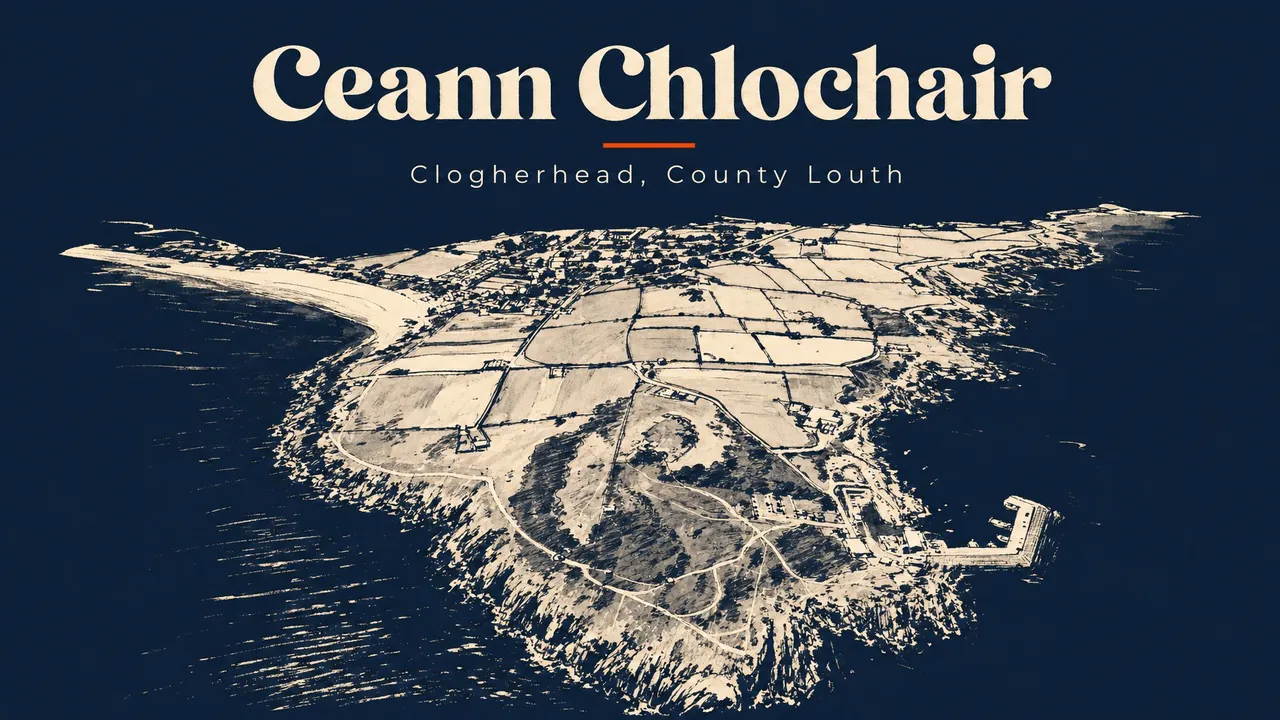
Around 420 million years ago two ancient continents collided and the join is here. The Iapetus Suture runs from Clogherhead across Ireland to the Shannon Estuary, then over to the Solway Firth and the Cheviot Hills in England. At Clogher Head the line is visible to the naked eye — the rocks fold sharply where the two land masses jammed against each other. The Geological Society lists it as one of the best places in either island to see plate tectonics in section. It is also a Special Area of Conservation, an Area of Outstanding Natural Beauty, and a working trawler harbour. All on the same headland.
Year-round colony
The seals at the foot of the cliff
A colony of grey and harbour seals lives on the rocks at the foot of Clogher Head. They haul out at low tide, sing on the wind, and are entirely indifferent to the people walking the cliff path above them. The headland trail gives you a view down onto them on most circuits — bring binoculars, keep above the cliff, keep the dog on a lead. They calve in autumn.
A Victorian working pier
Port Oriel, 1885
Before 1885 the boats at Clogherhead were beached on the strand. The Victorian Board of Works built the present harbour wall in granite and the pier has been the working harbour ever since. It is now the largest commercial fishing port on the north-east coast — prawns, crab, whitefish, with a substantial pelagic and shellfish fleet. The auction house on the pier still calls fish most mornings. The harbour is also the launch site for sea angling, dive boats, and the lifeboat. It is a working pier first; the visitors are welcome but second.