← All Belfast tours via partner · From €6 · 8 - 9 hours 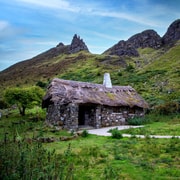
From Belfast: Causeway Coast - Hidden Gems Private Tour
Free cancellation Booked securely via partner
Check availability & prices →
From €6 per person
The Causeway Coast is far more than one famous rock formation. This private full-day tour from Belfast - for groups of up to 6 people - goes looking for the quieter, more atmospheric parts of the coast that most visitors never reach.
You’ll start with a drive along the Glens of Antrim Coastal Route, where rugged headlands, green valleys, and wide sea views set the tone for the day. The first stop is Galboly, a remote and largely forgotten cluster of abandoned stone cottages overlooking the ocean. It offers a rare glimpse into what life on this coastline looked like long ago - almost untouched and genuinely atmospheric.
From Galboly, you’ll continue to Glenariff Forest Park, known locally as the Queen of the Glens. There’s time for a gentle walk through the forest trails and past its waterfalls before the route continues along the coast to Cushendun - a postcard-perfect village of whitewashed Cornish-style cottages and dramatic sea caves that featured as a filming location in Game of Thrones.
Next comes the Torr Head Scenic Drive, a winding cliff-hugging coastal road with panoramic views that stretch across to Scotland on a clear day. You’ll then have free time in the traditional seaside town of Ballycastle to explore, shop, or relax by the harbour.
If time allows and you’d like it, the return journey to Belfast can include two iconic Game of Thrones filming locations: Ballintoy Harbour (the Iron Islands) and the Dark Hedges (the Kingsroad). There’s also an option to add a visit to the Giant’s Causeway itself if you’d prefer to include it.
Cushendun - go early or go late. The caves at the south end of Cushendun beach are the tour’s most atmospheric stop, but Game of Thrones coaches start pulling in around mid-morning. If your guide can get you there before 10am or after 4pm you’ll have the red sandstone caverns mostly to yourself. The walk in from the bridge is five minutes. Bring a torch and proper shoes, and don’t go at high tide - the caves are short and dark and the floor gets wet.
The Cushendun backstory is worth knowing in advance. The whitewashed village looks nothing like the Antrim coast around it because it was designed that way - a Welsh architect named Clough Williams-Ellis laid it out in 1912 as a tribute to his client’s Cornish wife. Williams-Ellis went on to build Portmeirion in Wales. Most visitors walk round a beautifully strange village without knowing why it looks strange. Knowing that, you see it properly.
Ballycastle is a working town, not a tourist town. Your free time here is best spent at the harbour end of town. Thyme & Co on Quay Road does a good lunch - soup, sandwiches, traybakes, sourced locally - but it fills by 1pm. For a proper pint before the drive back, the House of McDonnell on Castle Street has been in the same family since 1766, the interior is listed, and the trad session on a Friday evening is one of the best on the north coast.
Fair Head is 10 minutes east of Ballycastle and worth it if there’s any flexibility in the schedule. The clifftop loop is 4 to 5 km with views of Rathlin Island and the Mull of Kintyre. Park at the farm (£3), do the circuit clockwise, and you’re back at the car in 90 minutes. It’s not on most coach itineraries, which is the point.
If the Giant’s Causeway option is added, the nearest village base is Bushmills, three kilometres from the stones. The Bushmills Inn on Main Street has a Gas Bar still lit by gas with a peat fire - a proper stop after the Causeway, and very different from the National Trust visitor centre café at the top of the site.
The Dark Hedges on Bregagh Road - the beech avenue from 1775 that served as the Kingsroad in Game of Thrones - sits about 12 km from Ballymoney, near Stranocum. Get there before 9am or after 6pm or you’re sharing it with the internet.