← All Dublin tours via partner · From €129 · 2 days 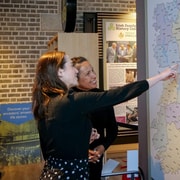
Dublin: Personal Consultation with a Genealogist
Free cancellation Booked securely via partner
Check availability & prices →
From €129 per person
Ireland is one of the most popular places in the world for tracing family history, and Dublin is where most searches begin. If you’ve hit a wall with online databases, aren’t sure which records survive, or simply don’t know where to start, this consultation pairs you one-to-one with a professional genealogist who can cut through the confusion and get your research moving again.
The session runs for 50 minutes. It starts with the genealogist understanding where you are in your journey. Whether you’ve got a box of old documents and no idea what to do with them, or you’ve been researching for years and hit a branch that won’t budge, they meet you where you are. Their expertise covers all the major Irish genealogical databases and offline repositories, so they can identify record sources you may not have known existed and help you build a practical strategy for your next steps.
By the end you’ll have a route map - specific records to check, databases to search, concrete approaches to try. The genealogists are honest about the challenges, too. Irish records from before the 18th century are patchy because of historical events, and they’ll tell you upfront if that’s likely to affect your search. It’s a practical, expert-led session that leaves you with renewed energy and a clear plan rather than more questions than you arrived with.
Come with as much information as you already have, even if it feels incomplete. Names, approximate dates, county of origin, a ship manifest, an old photograph with a surname on the back - anything you bring gives the genealogist more to work with in the session. The more specific the starting point, the further you’ll get in 50 minutes.
Focus on one line. It’s tempting to want to cover all four grandparents at once, but a single ancestral line explored properly will give you far more to work with than a scattered overview. The genealogist will help you choose where to start if you’re not sure.
Irish records aren’t as lost as people fear, but they do require knowing where to look. The destruction of the Public Record Office in 1922 wiped out a lot of 19th-century records, and the genealogist will walk you through which sources survived and where the gaps are likely to be in your particular search.
Dublin is a good base for the research itself after the consultation. The National Library of Ireland, the National Archives, and the General Register Office all hold significant genealogical collections, and your genealogist will point you towards whichever are most relevant to your family.
If you’re planning to visit county repositories or local heritage centres during your trip, mention this at the start of the consultation. The genealogist can help you prioritise which ones are worth the detour for your specific search - not every archive holds what you might expect.