← All Meath tours via partner · From €6 · 8 hours 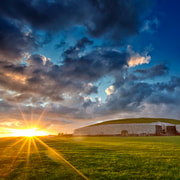
Dublin: Private Boyne Valley and Trim Castle Day Tour
Free cancellation Booked securely via partner
Check availability & prices →
From €6 per person
The Boyne Valley in County Meath is one of Ireland’s most remarkable stretches of landscape - and one of the most historically significant anywhere in Europe. The Brú na Bóinne complex, a UNESCO World Heritage Site, holds three major Neolithic passage tombs: Newgrange, Knowth, and Dowth. They’re over 5,000 years old, predating both the Pyramids and Stonehenge. Loughcrew Cairns, Slane Castle, Trim Castle, and the Kells Monastic Site are also within reach, and Trim Castle itself was used as a filming location for Braveheart.
This is a fully private, fully customisable tour, running 7 to 8 hours depending on what your group wants to prioritise. Your driver-guide works with you to shape the day around your interests - whether that’s the archaeology, the medieval history, the landscapes, or a combination of all three. They’ll also point you towards good options for lunch in a traditional Irish pub along the way.
The tour can include Newgrange, Knowth, Loughcrew Cairns, Trim Castle, Howth, Malahide Castle, Slane Castle, and Kells Monastic Site - you choose what matters most to your group.
Book Newgrange entry before you book anything else. Timed entry is managed by the Brú na Bóinne Visitor Centre and sells out well ahead during summer. You cannot enter the mound independently - all visits go via a guided shuttle from the visitor centre. Sort this first and plan the rest of the day around your slot.
If you include Slane, leave time for more than the Hill. The village of Slane - 40 minutes from Dublin on the M1 - has more going on than the hilltop legend. The old stable yards at Slane Castle have been converted into a working whiskey distillery with tours and tastings. The Conyngham Arms Hotel on the main street is an 18th-century coaching inn and a good lunch stop. And the village crossroads - four Georgian houses, one at each compass point, built to impress in the 1700s - is worth five minutes of looking.
Kells is the monastery, not the book. If you add Kells to your route, know in advance: the Book of Kells is at Trinity College Dublin, not here. What you come to Kells for is the high crosses, the round tower, and St Columba’s House - a stone building from the 8th or 9th century that has sat in the town centre ever since the Vikings sent the monks here from Iona in 806. The monastery loop walk through the town centre is about 2 km and takes 45 minutes. The Vanilla Pod Restaurant on the main street is well-regarded if you want a proper lunch.
The archaeology and the medieval history pull in different directions. Newgrange, Knowth and Loughcrew are Neolithic - five thousand years old. Trim Castle and Kells are medieval - twelve to thirteen centuries newer. They’re all in the same county but they belong to different worlds. If your group has a strong preference either way, tell your guide and shape the day around one era rather than trying to compress both.
Lunch in a traditional pub. Slane’s Village Inn has been pouring pints since long before the tour buses and holds an impressive collection of rock concert memorabilia from the castle’s forty-year concert history. For something more substantial, the Conyngham Arms at Slane or Kells’ Headfort Arms both do proper table food.
If you add Trim, allow two hours minimum. Trim Castle is the largest Anglo-Norman castle in Ireland - a cruciform keep with twenty corners, three storeys, and curtain walls protecting three acres on the south bank of the Boyne. Braveheart was partly filmed here in 1995. The grounds are large and the keep is taller than it looks from the car park. The walk to the Yellow Steeple across the river, the last fragment of a 14th-century abbey, gives you the classic view back across the water to the castle. StockHouse Restaurant in the town centre is the best dinner option if you’re staying on.
Malahide and Howth are Dublin add-ons, not Meath stops. If your group wants a coastal start or finish to the day, both are on the DART line and worth knowing. Malahide has the castle, the Talbot Botanic Garden, and a concentrated dining street on New Street. Howth has a working fishing pier, the cliff loop walk, and King Sitric on the East Pier since 1971. Both work as a half-day tag-on from Dublin before heading west toward the Boyne.