← All events
family · Saturday 8 August 2026 · 11:00am 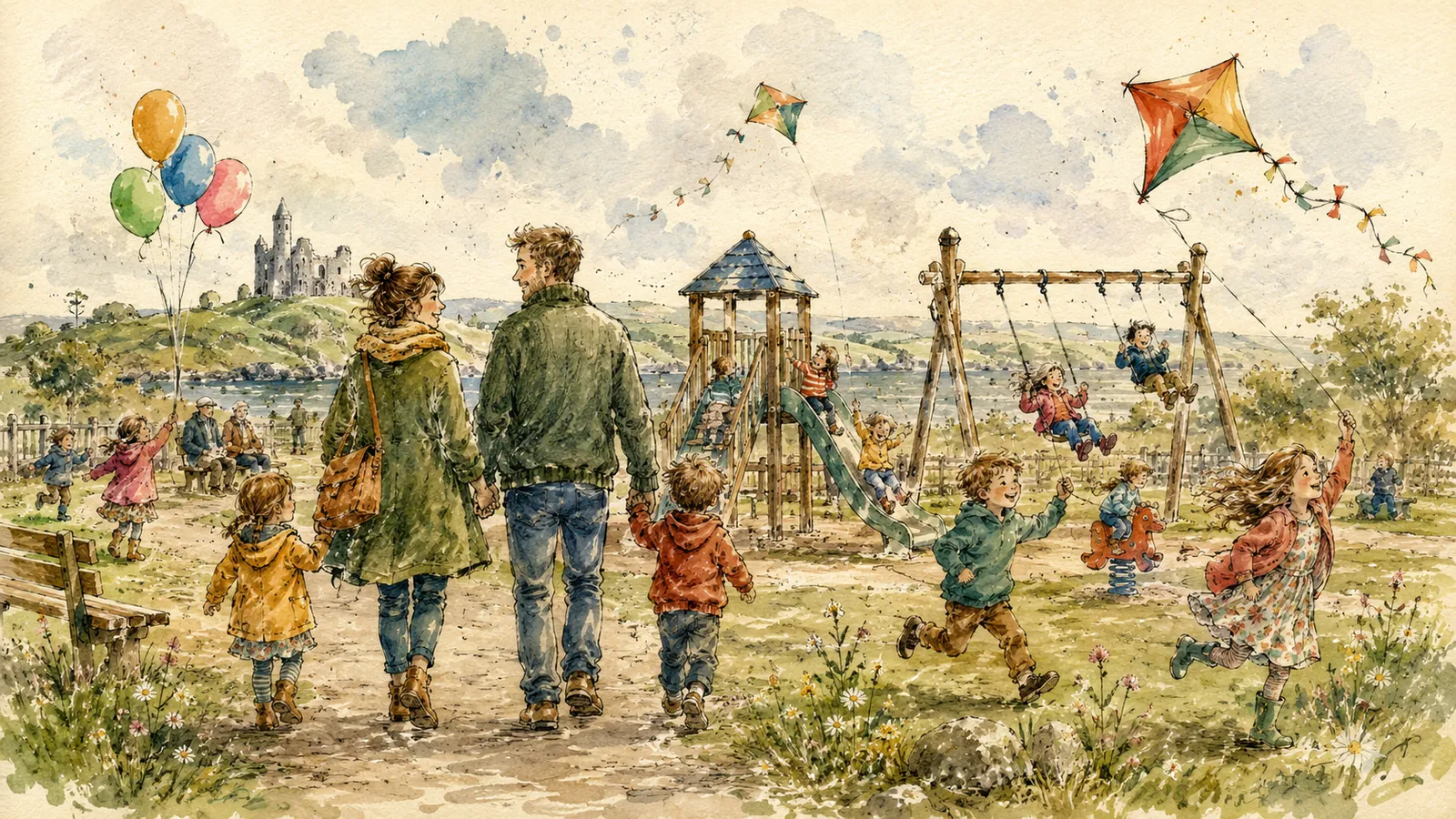
Springhill House - Summer Opening
At Springhill House (National Trust) · 20 Springhill Road, Moneymore, Magherafelt, Co. Derry
At Springhill House (National Trust) · 20 Springhill Road, Moneymore, Magherafelt, Co. Derry
Springhill House is a late 17th-century plantation home near Moneymore that stayed in the same family for nearly 300 years before passing to the National Trust in 1957, which is why it still feels lived-in rather than staged. Through August 2026 the grounds and Costume Exhibition are open daily from 11am to 5pm, with the house itself open on a shorter window, 12noon to 4pm, for guided-feel visits through rooms that trace the Lenox-Conyngham family’s story across generations.
For families the main draw beyond the house tour is the children’s adventure trail and natural play area in the grounds, plus little explorer backpacks handed out for kids to use while walking the parkland, and a version adapted for neurodivergent children and young people. The Costume Collection, the largest of its kind in Northern Ireland at over 2,000 pieces, is housed separately in the old laundry building and changes its themed display each year.
Moneymore sits in Mid-Ulster, about 8km south of Magherafelt. Springhill House is signposted from the village on the Moneymore Road, with free on-site parking; public transport is limited, so the practical route for those without a car is a bus or train to Magherafelt or Cookstown with onward travel arranged from there.
Heading to Springhill House (National Trust) in Moneymore? Derry has plenty more to see. Read the Moneymore area guide, find what else is on, and explore the towns and villages nearby.